


Dust Monitoring on Construction Sites: Silica and PM Compliance Guide
- Wam Scientific
- Jun 22
- 6 min read

Updated: Jun 25

Dust is one of the most persistent and complex hazards on construction sites, especially in Australia where environmental conditions, site activities, and regulatory expectations all intersect to create a high level of scrutiny around air quality. For contractors, environmental consultants, and safety professionals, implementing an effective dust monitoring construction site Australia strategy is not only about meeting compliance requirements but also about protecting worker health and minimizing environmental impact.
Construction activities such as excavation, demolition, cutting, drilling, and material handling generate airborne particles that vary in size and composition, making it essential to monitor multiple parameters simultaneously. Among these, respirable silica dust monitoring has become a critical priority due to the severe health risks associated with long-term exposure, including silicosis and other respiratory diseases. In addition, particulate matter such as TSP PM10 PM2.5 must be tracked to ensure compliance with environmental standards and to manage off-site impacts.
With increasing regulatory pressure and community expectations, many professionals are turning to solutions such as DustTrak hire Australia to access reliable, real-time monitoring equipment that supports accurate data collection and reporting. Understanding how to design, implement, and maintain a compliant dust monitoring program is essential for ensuring safe and responsible construction practices.
Understanding Dust and Its Impact on Construction Sites
Dust generated on construction sites is composed of a mixture of particles that differ in size, origin, and potential health impact. Larger particles, often referred to as total suspended particles or TSP, tend to settle quickly and are primarily associated with nuisance dust. However, smaller particles such as PM10 and PM2.5 can remain airborne for longer periods and penetrate deeper into the respiratory system, posing more significant health risks.
Respirable silica dust is of particular concern because it consists of fine crystalline particles that can be inhaled deeply into the lungs, leading to serious and often irreversible health conditions. This makes respirable silica dust monitoring a critical component of any dust management strategy, especially in activities involving materials such as concrete, stone, and sand.
Understanding the different types of dust and their behavior is essential for selecting appropriate monitoring methods and ensuring compliance with regulatory requirements.
Regulatory Framework for Dust Monitoring in Australia
Compliance with Australian regulations is a key driver for implementing dust monitoring construction site Australia programs, as authorities have established strict guidelines to protect both workers and the surrounding environment. These regulations often reference exposure limits for respirable crystalline silica, as well as ambient air quality standards for particulate matter.
Workplace health and safety regulations require employers to assess and control exposure to hazardous dust, including conducting respirable silica dust monitoring where there is a risk of exposure. Environmental protection agencies also set limits for TSP PM10 PM2.5 concentrations to manage off-site impacts and protect community health.
Failure to comply with these regulations can result in significant penalties, project delays, and reputational damage, making it essential for construction companies to implement robust monitoring and reporting systems.
Key Parameters: TSP, PM10, and PM2.5
Monitoring particulate matter is a fundamental aspect of dust management, as different particle sizes have different implications for health and environmental impact. TSP represents the total concentration of airborne particles, providing a general indication of dust levels on site.
PM10 refers to particles with a diameter of 10 micrometers or less, which can be inhaled into the upper respiratory tract, while PM2.5 includes even finer particles that can penetrate deep into the lungs and enter the bloodstream. Tracking TSP PM10 PM2.5 allows professionals to assess both nuisance dust and health-related risks, ensuring a comprehensive understanding of air quality conditions.
These parameters are typically measured using real-time monitoring equipment, enabling continuous assessment and immediate response to changing conditions.
Respirable Silica Dust Monitoring: A Critical Priority
Respirable silica dust monitoring is one of the most important aspects of dust management on construction sites, as exposure to crystalline silica can lead to serious health conditions, including silicosis, lung cancer, and chronic respiratory diseases. Given the severity of these risks, regulatory authorities have established strict exposure limits and monitoring requirements.
Monitoring respirable silica involves collecting air samples using specialized equipment that captures fine particles for laboratory analysis. This process requires careful planning, proper calibration, and adherence to standardized methods to ensure accurate results.
In addition to compliance, effective respirable silica dust monitoring supports proactive risk management by identifying high-exposure activities and enabling the implementation of targeted control measures.
Equipment for Dust Monitoring
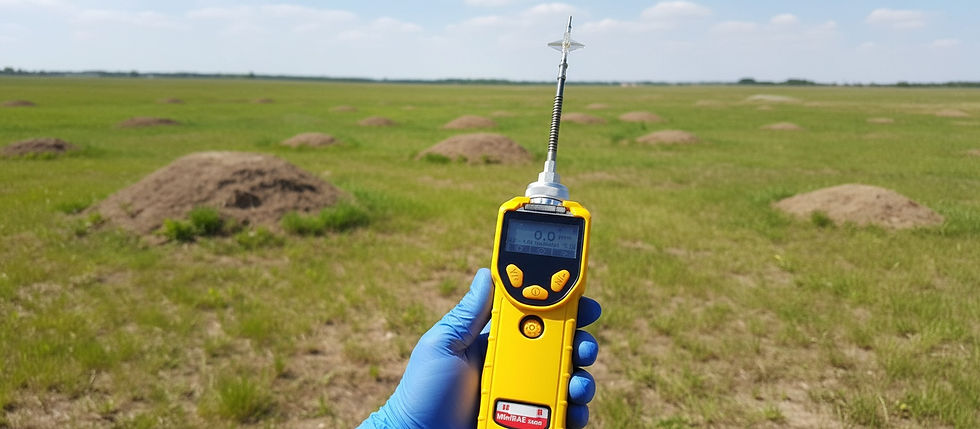
Selecting the right equipment is essential for effective dust monitoring construction site Australia programs, as different tools are designed to measure specific parameters and provide varying levels of accuracy and detail. Real-time dust monitors are widely used for measuring TSP PM10 PM2.5, offering immediate feedback on air quality conditions and enabling rapid response to elevated dust levels.
Gravimetric sampling equipment is often used for respirable silica dust monitoring, as it provides precise measurements that can be analyzed in a laboratory setting. Combining real-time monitoring with gravimetric methods allows for both continuous assessment and detailed analysis, ensuring comprehensive data collection.
Choosing equipment that meets regulatory requirements and is suitable for site conditions is critical for achieving reliable and defensible results.
DustTrak Hire Australia: Flexible Monitoring Solutions
For many construction projects, DustTrak hire Australia provides a practical and cost-effective solution for accessing high-quality monitoring equipment without the need for significant upfront investment. DustTrak monitors are widely used for measuring particulate matter, offering real-time data on TSP PM10 PM2.5 concentrations.
Hiring equipment allows contractors and consultants to scale their monitoring capabilities בהתאם to project requirements, making it easier to manage short-term or variable workloads. Rental services often include calibration and technical support, ensuring that equipment is ready for use and compliant with industry standards.
By utilizing DustTrak hire Australia solutions, professionals can focus on data collection and compliance without the burden of equipment ownership and maintenance.
Designing a Dust Monitoring Plan
An effective dust monitoring construction site Australia program begins with a well-designed plan that considers site conditions, activities, and regulatory requirements. This includes identifying potential sources of dust, determining monitoring locations, and selecting appropriate equipment and methods.
Monitoring should be conducted at both on-site and off-site locations to assess worker exposure and environmental impact, with data collected at regular intervals to capture variations in dust levels. The plan should also include procedures for data management, reporting, and response to exceedances.
A structured approach ensures that monitoring efforts are consistent, comprehensive, and aligned with compliance objectives.
Field Implementation and Best Practices
Successful implementation of a dust monitoring program requires attention to detail and adherence to best practices in the field. Equipment should be properly calibrated and maintained to ensure accuracy, while monitoring locations should be selected to represent actual exposure conditions.
Environmental factors such as wind speed, humidity, and temperature can influence dust levels, making it important to consider these variables when interpreting data. Regular inspections and adjustments may be necessary to ensure that monitoring remains effective throughout the project.
Training field personnel in proper monitoring techniques and data handling is also essential for maintaining consistency and reliability.
Data Analysis and Compliance Reporting
Collecting data is only the first step, as it must be analyzed and interpreted to assess compliance with regulatory standards. This involves comparing measured concentrations of TSP PM10 PM2.5 and respirable silica against established limits and identifying trends or exceedances.
Reports should include detailed information about monitoring methods, equipment used, and environmental conditions, providing transparency and supporting decision making. Accurate and timely reporting is essential for demonstrating compliance and addressing any issues that arise.
Using advanced monitoring systems, including those available through DustTrak hire Australia, can simplify data analysis and improve reporting efficiency.
Dust Control Measures and Mitigation Strategies
Monitoring data plays a critical role in identifying areas where dust control measures are needed, enabling targeted interventions that reduce exposure and improve compliance. Common control measures include water spraying, dust suppression systems, and the use of barriers or enclosures.
Administrative controls, such as scheduling high-dust activities during low-impact periods, can also help minimize exposure. Personal protective equipment provides an additional layer of protection for workers, particularly in high-risk environments.
By combining monitoring with effective control strategies, construction sites can achieve a safer and more compliant working environment.
Final Thoughts
Dust monitoring is an essential component of modern construction site management, particularly in Australia where regulatory requirements and community expectations continue to evolve. Implementing a robust dust monitoring construction site Australia program ensures that both worker health and environmental impacts are effectively managed.
From respirable silica dust monitoring to tracking TSP PM10 PM2.5, understanding the key parameters and selecting the right equipment are critical for achieving accurate and reliable results. Solutions such as DustTrak hire Australia provide flexibility and access to advanced technology, supporting compliance and operational efficiency.
For professionals seeking reliable dust monitoring equipment and support, you can explore our website for solutions designed to meet the demands of construction site compliance and environmental monitoring.


Comments