


What Is Occupational Hygiene Equipment? A Complete Guide for Australian Workplaces
- Wam Scientific
- Jun 22
- 5 min read

Updated: Jun 25

Workplace health hazards are not always visible. Harmful dust, toxic gases, chemical vapours, excessive noise, poor ventilation, and heat stress can all affect worker health long before symptoms appear. This is where occupational hygiene equipment plays a critical role.
Across industries such as mining, construction, manufacturing, oil and gas, laboratories, healthcare, and utilities, Australian businesses are increasingly investing in workplace exposure monitoring equipment to create safer environments and meet WHS obligations.
This guide explains what occupational hygiene equipment is, why it matters, the different types available, and how Australian workplaces use these tools to monitor and control health risks.
What Is Occupational Hygiene?
Occupational hygiene is the science of identifying, assessing, and controlling workplace hazards that may affect the health and wellbeing of workers.
An occupational hygienist evaluates environmental risks such as:
Airborne contaminants
Dust exposure
Hazardous gases
Noise levels
Heat stress
Chemical exposure
Biological hazards
Ventilation quality
The goal is to reduce workplace exposure before it causes illness, injury, or long-term health complications.
In Australia, occupational hygiene practices support compliance with workplace health and safety regulations, including exposure standards established under WHS legislation.
What Is Occupational Hygiene Equipment?
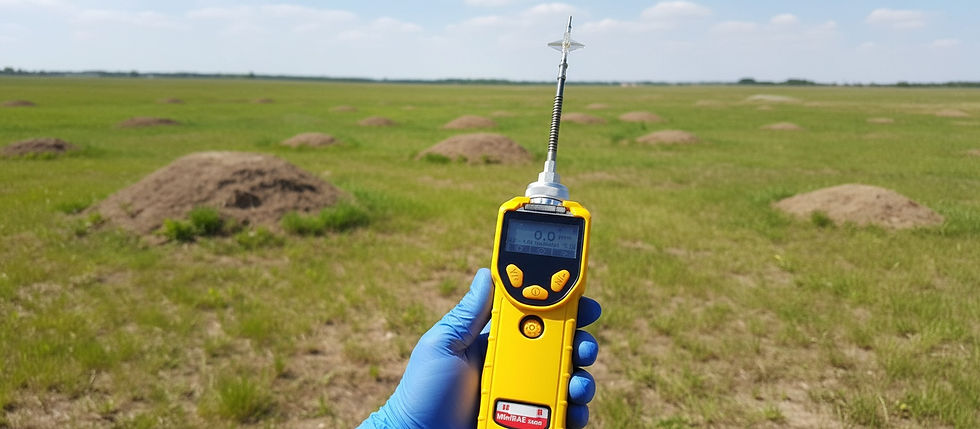
Occupational hygiene equipment refers to the instruments and monitoring devices used to measure workplace hazards and assess employee exposure levels.
These tools help safety professionals collect accurate data about environmental conditions in workplaces so they can determine whether exposure levels exceed safe limits.
Occupational hygiene monitoring equipment is commonly used for:
Air quality testing
Dust monitoring
Gas detection
Noise assessments
Heat stress monitoring
Ventilation studies
Chemical exposure monitoring
Indoor air quality assessments
Many modern occupational hygiene instruments now provide real-time monitoring, wireless connectivity, cloud reporting, and automated data logging for improved workplace safety management.
Why Occupational Hygiene Equipment Matters
Health hazards often develop gradually. Workers exposed to unsafe conditions over time may develop respiratory diseases, hearing loss, chemical-related illnesses, or heat-related injuries.
Using occupational hygiene equipment helps businesses:
Identify hidden workplace hazards
Reduce long-term health risks
Improve WHS compliance
Support worker wellbeing
Prevent costly incidents and downtime
Maintain accurate workplace exposure records
Demonstrate due diligence during audits or investigations
For industries with high-risk environments, workplace exposure monitoring is now considered an essential part of operational safety.
Common Types of Occupational Hygiene Equipment
Australian workplaces use a wide range of occupational hygiene monitoring devices depending on the hazards present.
Air Sampling Pumps
Air sampling pumps are used to collect airborne contaminants from a worker’s breathing zone. These samples are later analysed in laboratories to determine exposure levels.
They are commonly used for:
Silica dust monitoring
Asbestos monitoring
Chemical exposure assessments
Welding fume sampling
Vapour and particulate monitoring
Dust Monitoring Equipment
Dust monitoring equipment measures airborne particulate matter that may pose respiratory risks.
Industries such as mining, tunnelling, demolition, and construction rely heavily on dust monitoring systems due to exposure risks from respirable crystalline silica and other hazardous particles.
Common dust monitoring applications include:
Silica dust monitoring
Coal dust monitoring
Construction dust assessments
Workplace particulate monitoring
Real-time dust monitors help businesses quickly identify unsafe exposure levels and implement corrective actions.
Gas Detection Equipment
Gas detectors monitor hazardous gases that may be toxic, flammable, or oxygen-displacing.
Occupational hygiene gas monitoring equipment is widely used in:
Confined spaces
Industrial plants
Wastewater facilities
Oil and gas operations
Manufacturing environments
Common gases monitored include:
Hydrogen sulfide (H2S)
Carbon monoxide (CO)
Oxygen (O2)
Combustible gases (LEL)
Volatile organic compounds (VOCs)
Portable and fixed gas detection systems help improve worker safety in high-risk environments.
Noise Monitoring Equipment
Excessive workplace noise can cause permanent hearing damage if left unmanaged.
Noise monitoring equipment measures sound exposure levels and helps businesses comply with occupational noise exposure standards.
Common tools include:
Sound level meters
Noise dosimeters
Acoustic calibrators
Noise monitoring is especially important in:
Manufacturing plants
Construction sites
Mining operations
Airports
Heavy industrial facilities
Heat Stress Monitoring Equipment
Australian workplaces frequently deal with high temperatures, especially in outdoor and industrial environments.
Heat stress monitoring equipment helps assess environmental conditions that may contribute to worker fatigue, dehydration, or heat-related illnesses.
Monitoring may include:
Wet Bulb Globe Temperature (WBGT)
Humidity
Air temperature
Radiant heat
Airflow
Industries commonly using heat stress monitors include mining, construction, agriculture, and manufacturing.
Indoor Air Quality Monitoring Equipment
Indoor air quality has become increasingly important in offices, laboratories, healthcare settings, and commercial buildings.
Indoor air quality monitors can measure:
Carbon dioxide (CO2)
Temperature
Humidity
VOCs
Airborne particles
Poor indoor air quality can contribute to headaches, fatigue, respiratory irritation, and reduced productivity.
Industries That Use Occupational Hygiene Equipment
Occupational hygiene equipment is used across many Australian industries, including:
Mining
Mining operations rely heavily on gas detection, dust monitoring, noise assessments, and heat stress monitoring to protect workers in hazardous environments.
Construction
Construction sites commonly monitor silica dust, airborne contaminants, noise exposure, and confined space conditions.
Manufacturing
Factories use occupational hygiene monitoring equipment to assess chemical exposure, airborne particulates, machine noise, and ventilation performance.
Oil and Gas
Gas detection systems and personal monitoring devices are essential for identifying toxic and combustible gases in high-risk environments.
Healthcare and Laboratories
Hospitals and laboratories use indoor air quality monitoring and chemical exposure assessment tools to maintain safe working conditions.
Occupational Hygiene Equipment and WHS Compliance in Australia
Australian employers have a legal duty to provide safe workplaces under WHS legislation.
Occupational hygiene monitoring helps businesses:
Assess worker exposure levels
Compare results against workplace exposure standards
Maintain compliance documentation
Identify areas requiring risk controls
Exposure monitoring may also support compliance with Safe Work Australia guidance and industry-specific regulations.
Common compliance-related searches include:
WHS exposure monitoring Australia
occupational hygiene compliance
workplace exposure standards Australia
Safe Work Australia monitoring requirements
How to Choose the Right Occupational Hygiene Equipment
Selecting the right occupational hygiene equipment depends on several factors.
Identify Workplace Hazards
Determine whether the primary risks involve dust, gases, noise, chemicals, or heat stress.
Consider Industry Requirements
Different industries have different monitoring needs and compliance expectations.
Evaluate Monitoring Accuracy
Choose equipment that offers reliable measurements, calibration support, and industry-recognised performance standards.
Assess Data Logging and Reporting
Modern occupational hygiene instruments often include cloud reporting, wireless connectivity, and automated recordkeeping features.
Ensure Calibration and Maintenance Support
Regular calibration is essential for accurate readings and ongoing compliance.
The Growing Importance of Real-Time Monitoring
Modern occupational hygiene technology is rapidly evolving.
Real-time monitoring systems now allow businesses to:
Detect hazards immediately
Receive instant alerts
Analyse long-term exposure trends
Improve incident response times
Streamline compliance reporting
As Australian workplaces continue prioritising worker health and WHS compliance, demand for advanced occupational hygiene monitoring equipment is expected to grow across multiple industries.
Final Thoughts
Occupational hygiene equipment plays a vital role in protecting workers from invisible workplace hazards. From dust monitoring and gas detection to noise assessments and heat stress monitoring, these tools help Australian businesses create safer and healthier work environments.
With increasing awareness around workplace exposure risks and stronger WHS expectations, investing in reliable occupational hygiene monitoring equipment is no longer optional for many industries — it is a critical part of workplace safety management.
Businesses that proactively monitor workplace hazards are better positioned to improve compliance, reduce health risks, and build safer operations for the future.
FAQs
What is occupational hygiene equipment used for?
Occupational hygiene equipment is used to identify, assess, and monitor workplace hazards such as dust, gases, chemicals, noise, and heat stress.
What industries use occupational hygiene monitoring equipment?
Industries including mining, construction, manufacturing, oil and gas, healthcare, and laboratories commonly use occupational hygiene equipment.
What is the difference between safety equipment and occupational hygiene equipment?
Safety equipment protects workers directly, while occupational hygiene equipment measures and assesses workplace hazards to prevent long-term health risks.
Why is workplace exposure monitoring important?
Exposure monitoring helps businesses identify harmful conditions early and maintain compliance with workplace health and safety regulations.
What are the most common occupational hygiene instruments?
Common instruments include air sampling pumps, gas detectors, dust monitors, noise dosimeters, and heat stress monitors.


Comments