


WHS Gas Monitoring Compliance Checklist for PCBUs in Australia

Updated: Jun 25
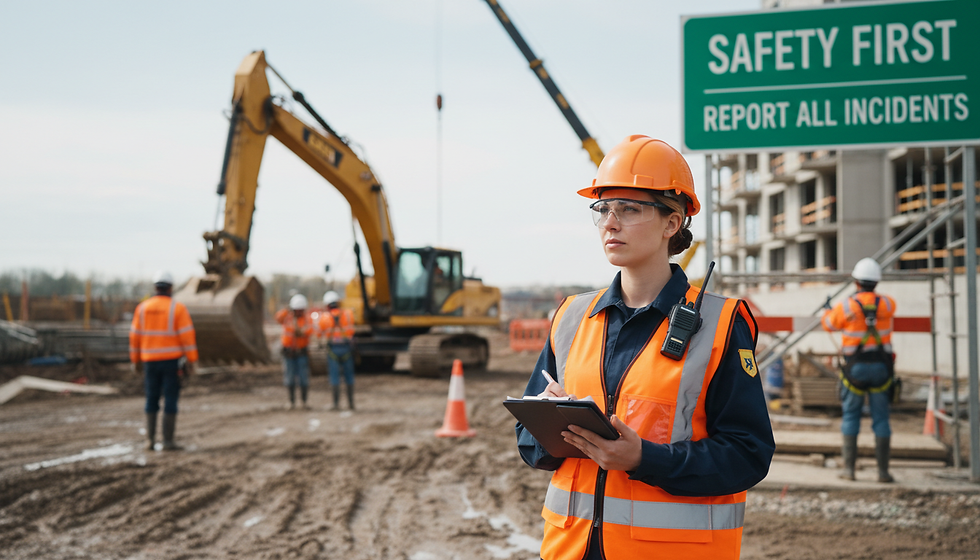
Workplace gas hazards don’t leave much room for error. Whether you're operating in mining, construction, manufacturing, or utilities, failing to monitor hazardous atmospheres properly can lead to serious injuries, fatalities, and legal consequences.
For a Person Conducting a Business or Undertaking (PCBU), gas monitoring isn’t just a safety measure—it’s a clear legal obligation under Australian WHS laws.
This guide provides a practical, compliance-focused checklist to help you meet WHS gas monitoring compliance in Australia and uphold your PCBU duty of care.
What Is a PCBU’s Duty of Care?
Under the Model Work Health and Safety Regulations 2011, a PCBU must ensure, so far as is reasonably practicable, the health and safety of:
Workers
Contractors and subcontractors
Visitors and other persons at the workplace
This includes identifying and controlling risks associated with hazardous gases.
The Safe Work Australia provides national guidance on how PCBUs should manage these risks, including atmospheric testing and gas detection requirements.
Why Gas Monitoring Compliance Matters
Gas hazards are often invisible and can escalate quickly. Common risks include:
Oxygen deficiency or enrichment
Toxic exposure (e.g., hydrogen sulfide, carbon monoxide)
Explosive atmospheres (flammable gases)
Without proper monitoring, even a routine job can become a critical incident.
Non-compliance can lead to:
Legal penalties and prosecution
Workplace shutdowns
Reputational damage
Serious harm or fatalities
WHS Gas Monitoring Compliance Checklist for PCBUs
Use this checklist to assess whether your workplace meets Australian WHS gas detection requirements.
1. Hazard Identification
✔ Have you identified all potential gas hazards in your workplace?
✔ Are confined spaces, enclosed areas, or hazardous zones clearly documented?
✔ Have you assessed risks associated with specific gases (H₂S, CO, LEL, oxygen levels)?
A proper risk assessment is the foundation of compliance.
2. Appropriate Gas Detection Equipment
✔ Are you using suitable gas detectors (e.g., 4-gas monitors)?
✔ Do your devices measure relevant gases: oxygen, H₂S, CO, and flammable gases?
✔ Are detectors intrinsically safe for hazardous environments?
Choosing the wrong equipment is a common compliance gap.
3. Calibration and Maintenance
✔ Are all gas detectors regularly calibrated according to manufacturer guidelines?
✔ Is there a documented calibration schedule?
✔ Are bump tests conducted before each use?
Uncalibrated devices can give false readings—creating a false sense of safety.
4. Pre-Entry Atmospheric Testing
✔ Is atmospheric testing conducted before entering confined or hazardous spaces?
✔ Are multiple levels tested to account for gas stratification?
✔ Are results recorded and verified?
This step is mandatory under WHS regulations.
5. Continuous Monitoring
✔ Is continuous gas monitoring in place during work activities?
✔ Are workers equipped with personal gas detectors where required?
✔ Are alarms (audible, visual, vibration) functioning properly?
Conditions can change rapidly—continuous monitoring is essential.
6. Safe Work Method Statements (SWMS)
✔ Do you have a SWMS for high-risk work involving gas hazards?
✔ Does the SWMS include gas monitoring procedures and emergency response plans?
✔ Is the SWMS reviewed and updated regularly?
A SWMS confined space plan is critical for structured risk control.
7. Training and Competency
✔ Are workers trained in gas detection equipment usage?
✔ Can they interpret readings and respond to alarms correctly?
✔ Are refresher trainings conducted periodically?
Even the best equipment is ineffective without competent users.
8. Emergency Preparedness
✔ Do you have clear procedures for gas-related incidents?
✔ Are rescue plans in place for confined spaces?
✔ Is emergency equipment readily accessible?
Response time is critical in gas exposure scenarios.
9. Record Keeping and Documentation
✔ Are calibration, testing, and maintenance records maintained?
✔ Do you document risk assessments and SWMS?
✔ Are compliance records easily accessible for audits?
Good documentation demonstrates due diligence.
10. Ongoing Review and Improvement
✔ Do you regularly review your gas monitoring processes?
✔ Are incidents and near misses investigated?
✔ Are improvements implemented based on findings?
Compliance is not a one-time task—it’s an ongoing process.
Common Compliance Mistakes PCBUs Make
Even with systems in place, these gaps often lead to non-compliance:
Skipping calibration or bump testing
Using outdated or incorrect gas detectors
Inadequate training of workers
Poorly documented SWMS
Failing to implement continuous monitoring
Addressing these issues proactively can significantly reduce risk.
Practical Tips for Staying Compliant
Invest in reliable, industry-standard gas detection equipment
Consider hire options for short-term or project-based needs
Partner with calibration and servicing experts
Align all procedures with guidance from Safe Work Australia
Conduct regular internal audits
Final Thoughts
WHS gas monitoring compliance in Australia is about more than meeting legal requirements—it’s about protecting lives and maintaining safe operations.
As a PCBU, your responsibility is clear: identify risks, implement controls, and ensure continuous monitoring of hazardous atmospheres.
By following this checklist and aligning with the Model Work Health and Safety Regulations, you can confidently meet your duty of care while creating a safer workplace for everyone.


Comments